

The moment a student believes they can’t succeed, learning quietly shuts down.
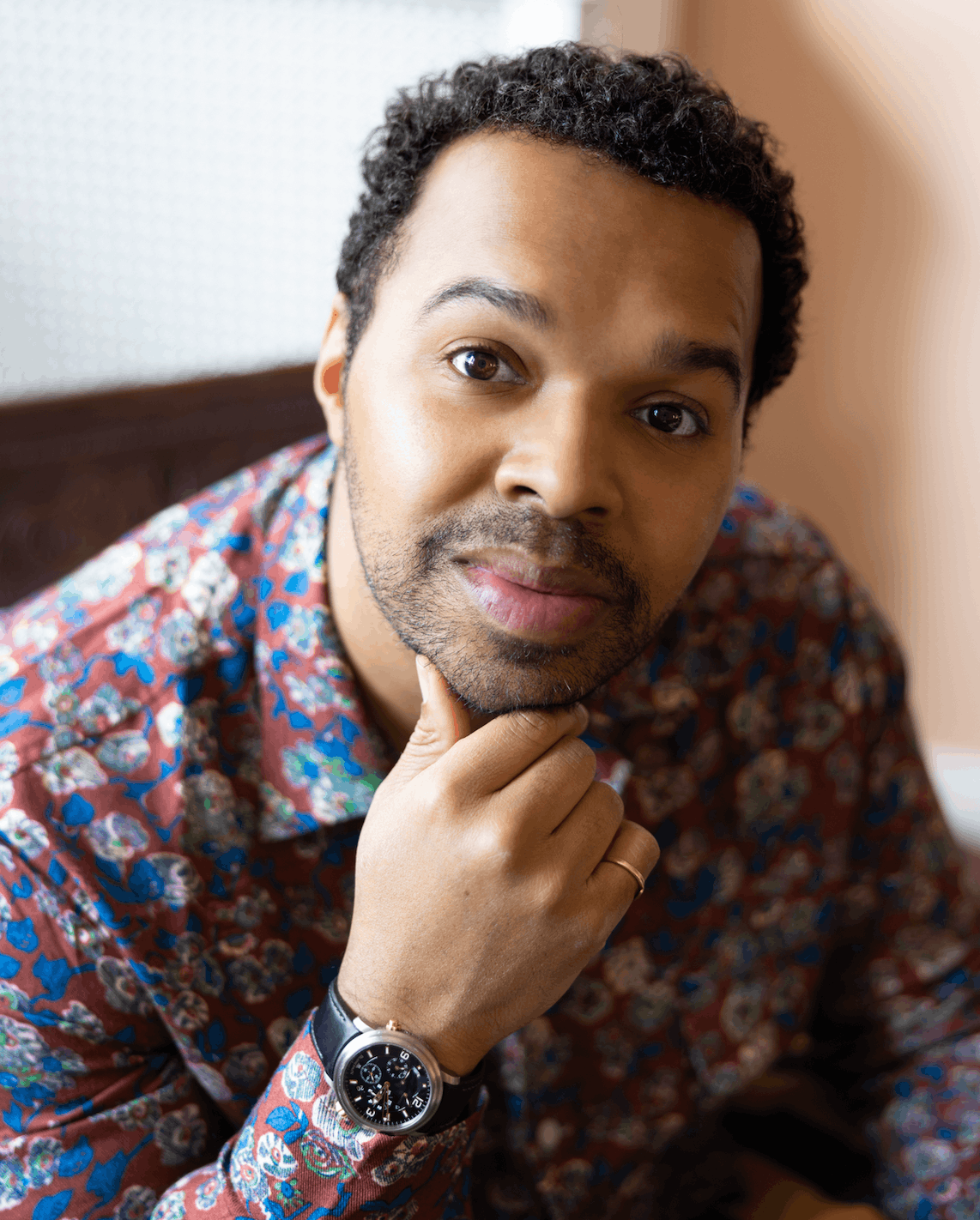
That moment is the starting point of Deveren Fogle’s work. As an educator turned executive function specialist and founder of Uluru, Deveren Fogle has spent years inside classrooms and family conversations where motivation didn’t disappear overnight; it eroded through repeated experiences of confusion, pressure, and unmet expectations.
Most students don’t avoid work because they don’t care. They avoid it because effort feels risky. When assignments are handed out without enough guidance, students are left guessing how to begin, how long something should take, or whether they are even doing it right. Over time, that uncertainty turns into hesitation, then avoidance. What looks like disengagement is often self-protection.
Deveren Fogle first saw this pattern as a classroom teacher. He noticed that students struggled less with the content itself and more with accessing it. When he shifted his focus away from curriculum and toward process, helping students break tasks down, plan their approach, and monitor their thinking, performance improved across the board. Motivation followed clarity.
The same issues appear more sharply in older students. Adolescents are often expected to manage complex workloads independently without being taught how. When work falls outside their current ability to handle it on their own, students experience repeated failure. This is where learned helplessness sets in. After enough missed starts and incomplete assignments, students stop trying altogether.
Family dynamics can unintentionally make this worse. Many students lose agency when they feel no one understands where their struggle actually comes from. Support becomes pressure. Check-ins feel like surveillance. Students internalize the idea that they are the problem, rather than the system surrounding them.
Deveren’s approach challenges that narrative. He believes motivation returns when students feel capable again. That belief shaped his work as an executive function coach, where he consistently saw rapid shifts once students were given the right level of support. When tasks were scaffolded and expectations made clear, students re-engaged. Confidence was rebuilt quickly once success felt possible.
Uluru was designed to bring that experience into daily practice. Instead of reacting to failure after it happens, the platform supports students while they are working. It helps them understand what needs to be done, how to approach it, and how to pace themselves. This keeps tasks within a manageable range, reducing anxiety and restoring a sense of control.
Just as important is how Uluru involves families. Students are more likely to stay motivated when they feel supported rather than judged. Uluru creates timely feedback loops that help parents reinforce effort and strategy close to the moment it happens. This shifts family conversations away from outcomes and toward process, making support feel collaborative instead of confrontational.
Deveren’s work also pushes back against rigid ideas about ability. He has seen the same student struggle in one setting and thrive in another. Motivation is not fixed. Capacity changes based on structure, clarity, and emotional safety. When those conditions are present, students don’t need to be pushed. They move forward on their own.
At its core, Uluru helps students move from avoidance to ownership by restoring trust in their own effort. When students understand what to do and believe they can do it, motivation stops being something adults chase. It becomes something students reclaim.
That shift, from disengagement to agency, is the quiet transformation Deveren Fogle has built his work around.